


What Is a DSO in the Modern Energy Market?
This is one of the most common questions in the industry today. To understand the future, you must know the answer to what is a dso. A DSO stands for Distribution System Operator. It represents the next step in grid management.
In the past, operators just maintained the wires. Today, a DSO takes an active role. It manages the energy system in real time. It balances supply from local sources like wind or solar with the demand from homes and businesses. It acts like a traffic controller for electricity.
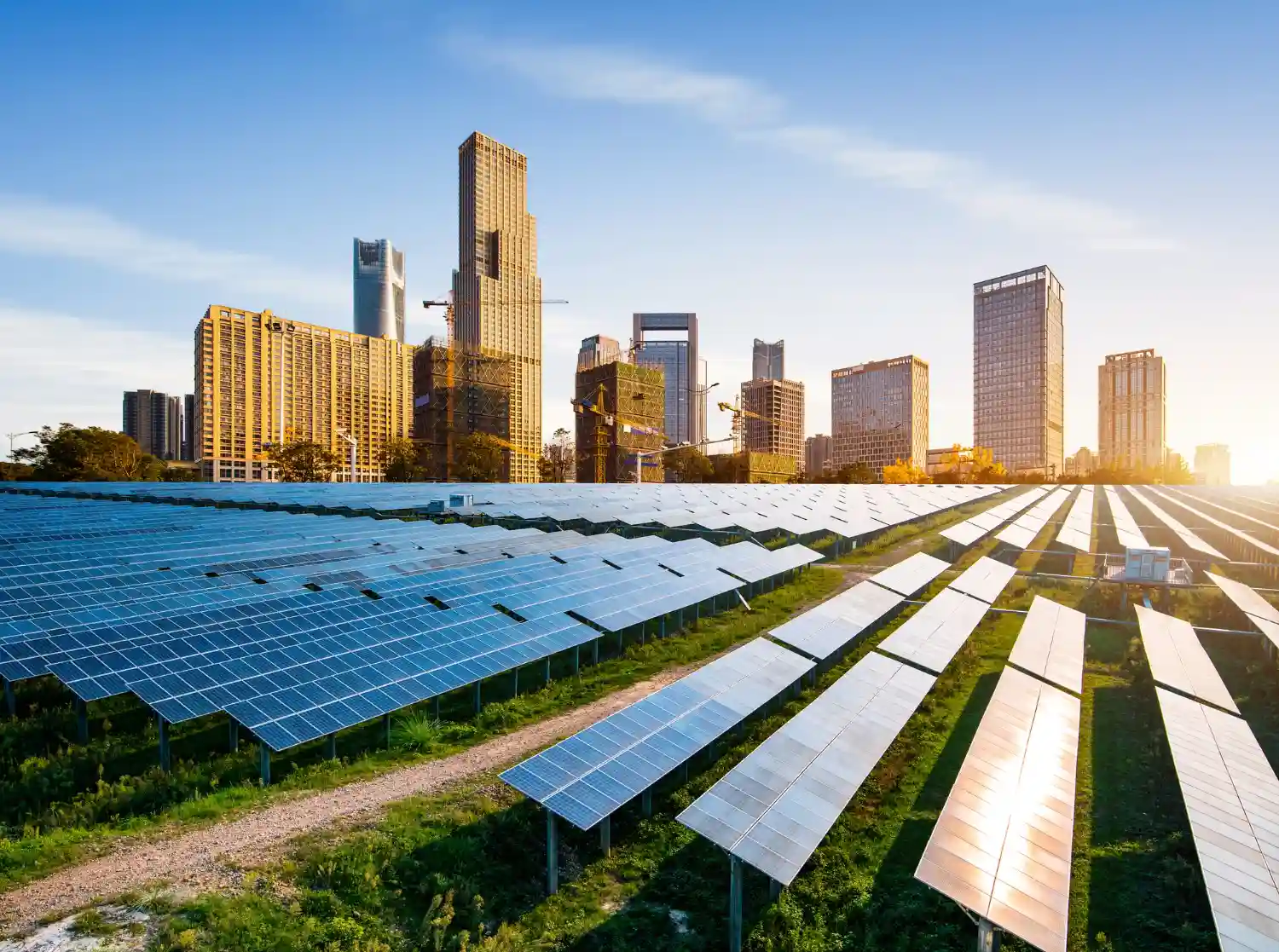
From DNO to Distribution System Operator
To grasp the full picture, we have to look at the traditional model. This is the DNO, or Distribution Network Operator. These organizations own the physical towers, cables, and transformers. Their main job is to fix faults and connect new customers.
The shift from a passive DNO to an active Distribution System Operator is huge. It changes how the entire grid functions. We are moving away from just “delivering” power to “managing” power flows smartly.
Comparing DNO and DSO Electricity Models
It helps to see the differences side by side. Here is how the traditional setup compares to the modern approach regarding DSO electricity management.
| Feature | Traditional DNO | Modern DSO |
| Main Role | Build and maintain wires | Active system management |
| Power Flow | One direction (Plant to Home) | Two directions (Flexible) |
| Data Use | Limited visibility | Real-time smart data |
| Response | Reacts to outages | Predicts and balances loads |
| Integration | Connects users | Integrates renewables & storage |
Key Infrastructure: Wales and West and Leep Utilities
The UK energy map is divided among several major players. Understanding them helps you navigate the market.
Wales and West Utilities
This is a prime example of a regional giant. Wales and West manages the gas distribution network across a vast area. They are critical for keeping the energy infrastructure safe and reliable for millions of people. Their work highlights the scale of traditional network operations.
Leep Utilities
On the other side, we have challengers. Leep Utilities operates as an Independent Distribution Network Operator (IDNO). They work on new commercial and residential projects. They offer developers an alternative to the regional monopolies. Companies like this prove that the market is opening up to competition.
The Future: Arlington Energy and Network Magazine
Innovation is not just about wires. It is about how we store and manage energy.
Arlington Energy
Storage is the key to a green grid. Arlington Energy focuses on creating flexible energy assets. They develop clean energy centers that can store power and release it when the grid is under stress. This flexibility is exactly what a modern DSO needs to function.
Keeping Up with Network Magazine
The pace of change is fast. Professionals rely on publications like Network Magazine to stay informed. Tracking news on regulation and technology helps us see where the industry is going next. We aim to distill those complex topics into simple guides right here.
Whether you are an industry pro or just curious about how your lights stay on, we have the information you need.
Exploring Core Energy Sectors
The energy transition isn’t just about one fuel source. It involves rethinking how we manage gas, heat, and electricity across the board.
Gas
The gas network is facing its biggest evolution yet. It’s no longer just about pumping natural gas to homes. Major operators are now exploring the potential of hydrogen and green gas to utilize existing pipelines for a cleaner future. Companies like Wales and West are at the forefront of this, ensuring safety while planning for a decarbonized network.
Heat
Decarbonizing heat is one of the toughest challenges we face. We are moving away from traditional fossil fuel boilers toward smarter solutions like district heating networks. This sector is vital because heating accounts for a massive portion of energy consumption. The focus is now on efficiency and finding low-carbon ways to keep buildings warm without hurting the planet.
Power
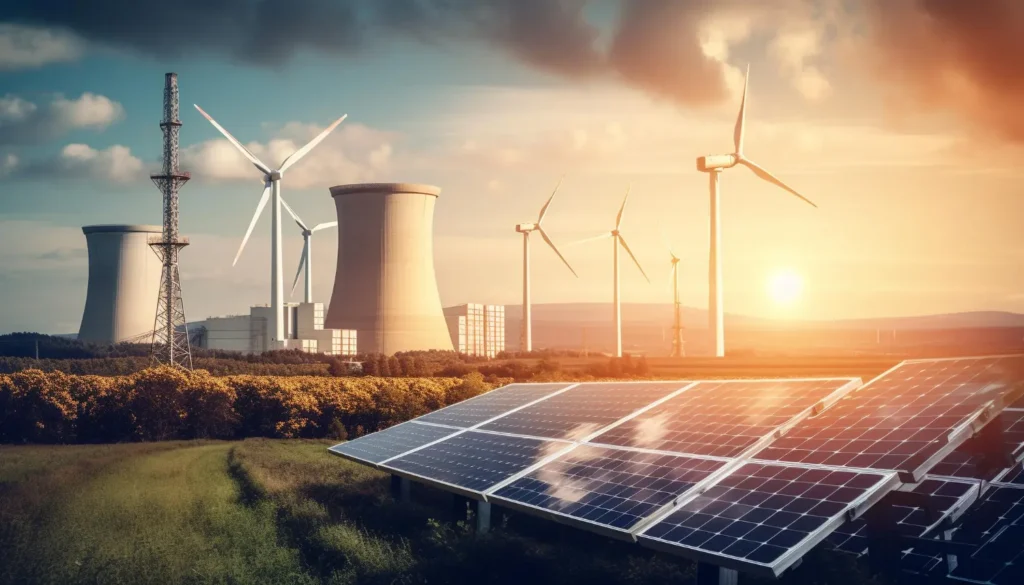
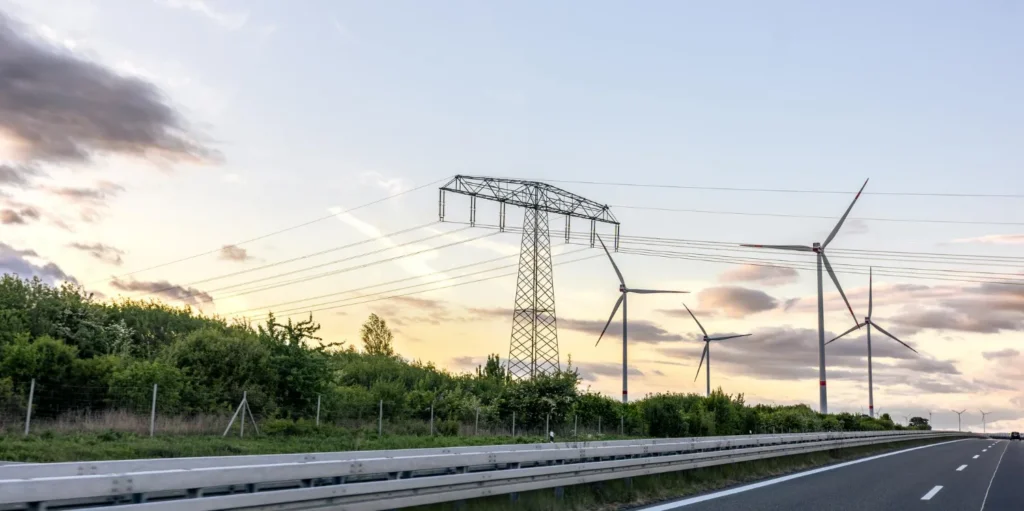
Electricity is the heartbeat of the modern grid. This sector is seeing the most rapid change as we shift from passive distribution to active system management. It’s all about integrating renewable sources like wind and solar directly into the local network. This is where the smart grid comes alive, balancing demand and supply in real time.
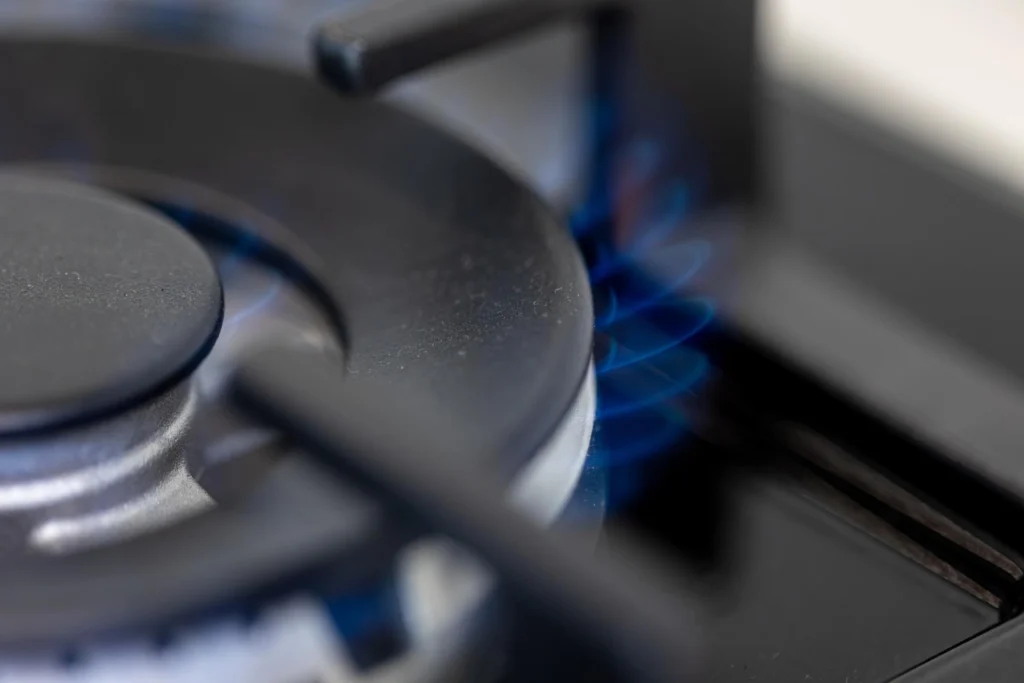
The Catch: The Role of CCS in Decarbonising Gas Heat
Heat is the elephant in the room of the energy transition. While we have made…
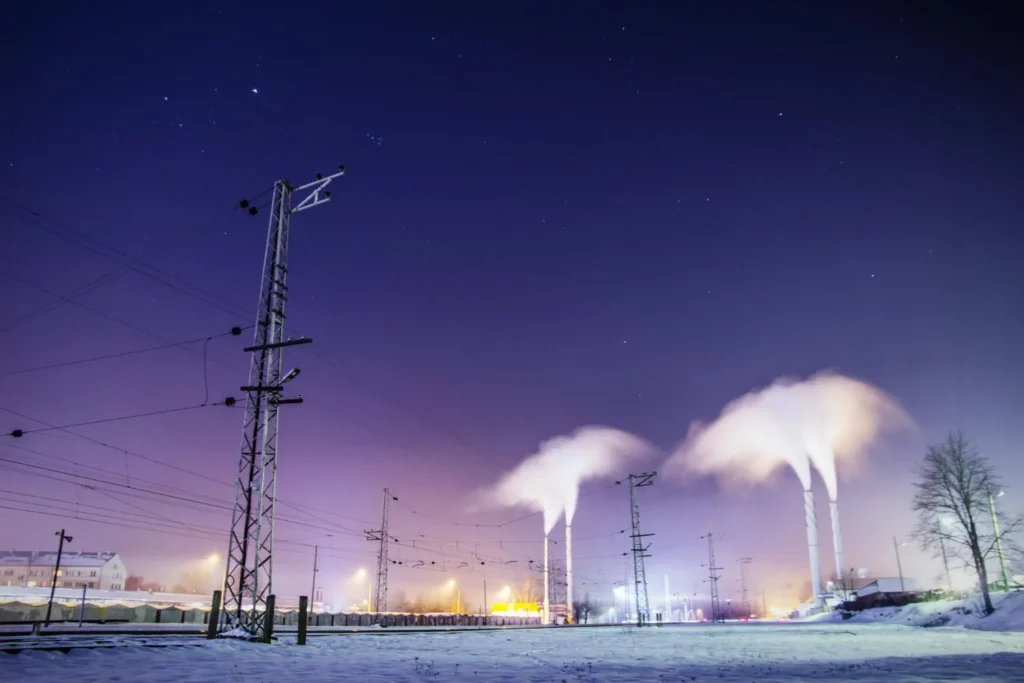
Mayor sets out London’s EV charging network plans
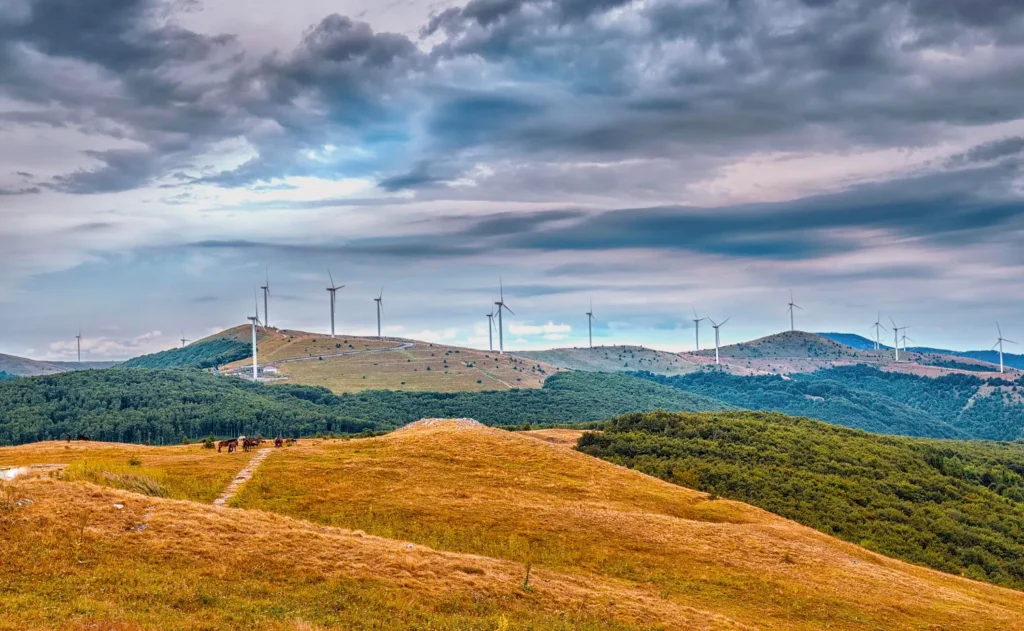
Maxine Frerk: Letter from America
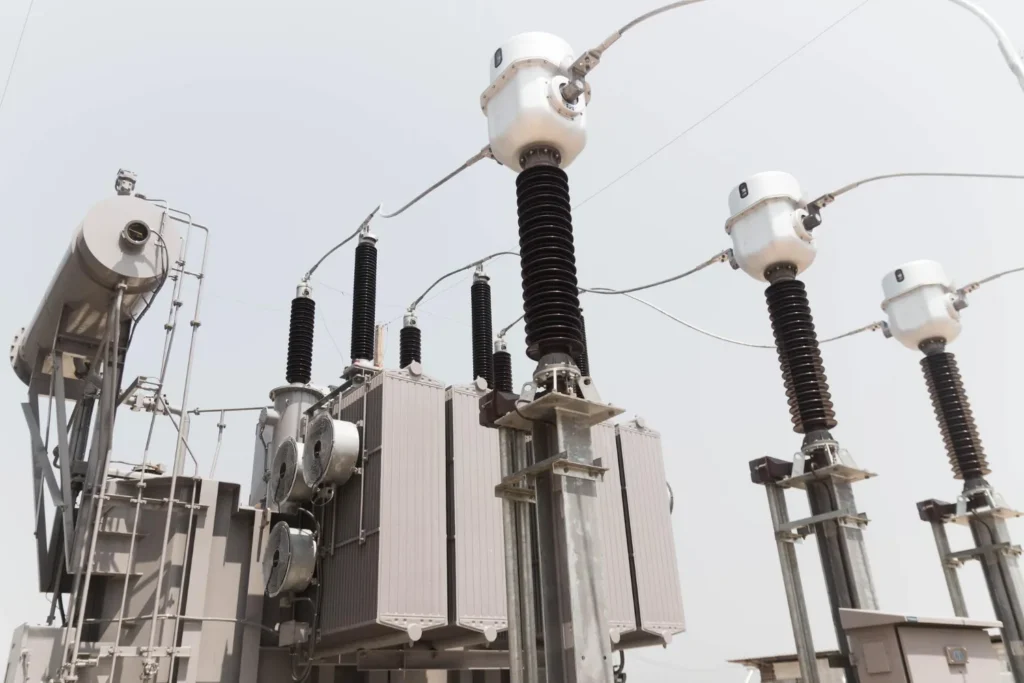
Maximising power generation from older landfill sites
Marine survey work starts for Greenlink interconnector
Manchester explosion was not due to network fault
Managing your assets
Managing vegetation
Managing customer expectations
Man cheats death after coming into contact with power line
Making the most of your assets
Making the most of the electricity we store
Networks.online is an independent educational resource dedicated to the energy sector. Our mission is to explore the complexities of power, gas, and heat infrastructure for the purpose of learning and professional self-development. We aim to help enthusiasts and industry students understand the evolving landscape of the modern energy grid.