
From TV to EVs
Network asset and operations leaders will be all too familiar with the pressures on industry today to do more with their existing asset fleet, minimise capital expenditure and, at the same time, uphold the highest standards of safety.
Fluid movement: new transformer fluids are shifting asset risk profiles Read More »
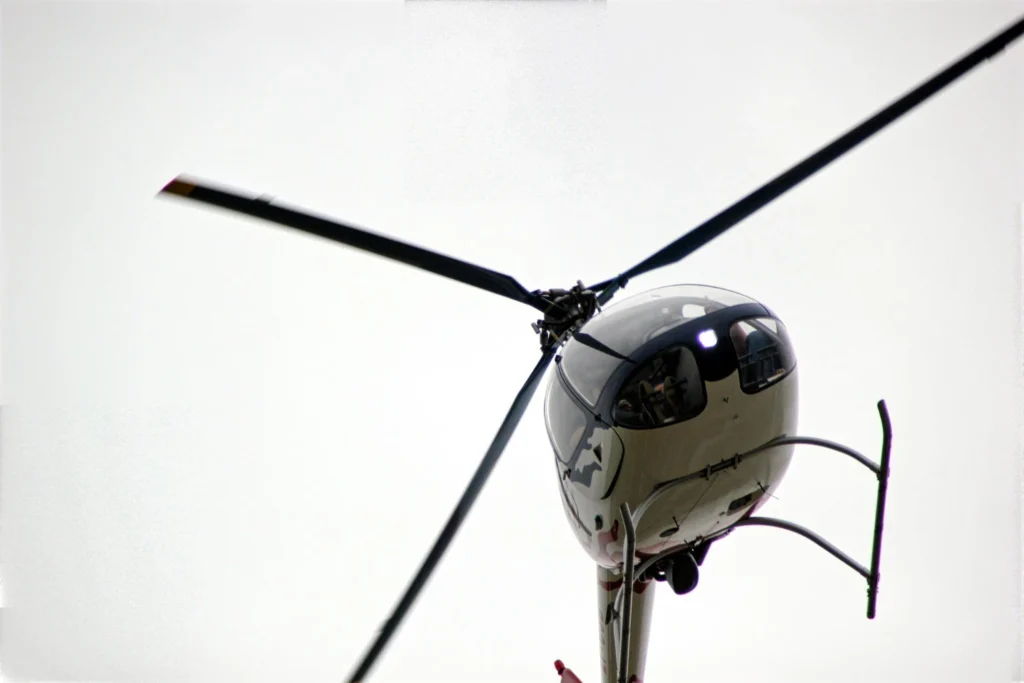
WPD has been operating helicopters as a company since SWEB (South West Electricity Board) used their first helicopter back in 1963.
Beginning with trials back in 2013, the technology is now becoming mainstream thanks to Scottish Power Energy Networks’ ongoing two-year LiDAR project. This is helping other networks to embrace the technology through the dissemination of lessons learned via workshops and presentations.
Five ways LiDAR technology is mapping the future Read More »
The portable ‘plug & play’ relay and control rooms provided by design and engineering experts Acrastyle offer just this flexibility, enabling network operators to respond rapidly to changing needs.
Flexibility is key Read More »
The drive for the UK’s low carbon future is demanding enormous changes in our entire electricity system. Not only is there sustained, rapid growth in inherently variable renewables, generation is no longer centralized but can be distributed over a wide geographical area, so that the traditional one-way flow model is being replaced by multi-directional flows.
Ofgem figures show that the number of electricity interruptions was above 40 per 100 customers at 11 of the 14 network operators in 2016/17.
In the past, grid operators would use frequency as the measure of balance between electricity supply and demand. However, the picture has become significantly more complex as penetration of renewable energy has grown.
Expect the unexpected Read More »
Evolving substation architectures to become more digital unlocks engineering efficiencies by standardising substation designs, adopting more coherent data sets, and minimising the need for bespoke implementations as well as enabling enhanced resilience through distributed automation. However, updating new functional requirements in an active substation can be both costly and difficult for the industry.
Evolving substations of the future Read More »