
The Department for Business, Energy and Industrial Strategy (BEIS) has turned its focus toward a critical component of the UK’s decarbonization strategy: heat networks. In a fresh wave of announcements, the government has spotlighted new consultation opportunities and confirmed the availability of significant grant funding to drive the sector forward.
This move signals a clear intent from Whitehall. The message is that district heating is not just a niche engineering solution, but a central pillar of the nation’s path to Net Zero.
The Challenge of Heat
Heating our homes and businesses accounts for a massive proportion of the UK’s carbon emissions. Most of this currently comes from individual gas boilers. To meet climate targets, this has to change.
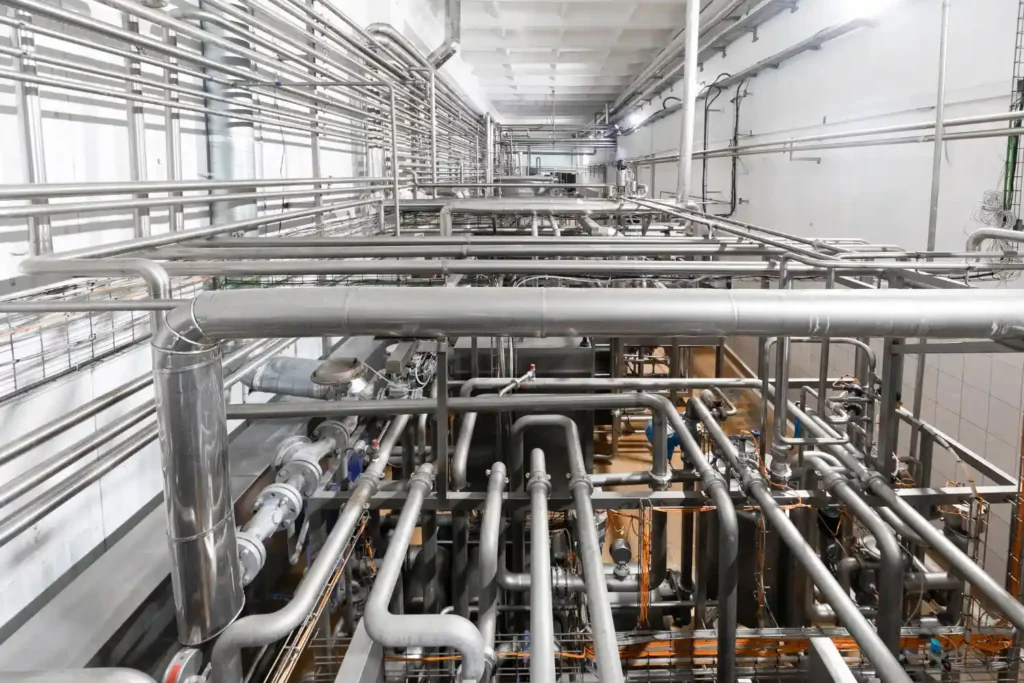
BEIS has identified heat networks systems that distribute heat from a central source to multiple buildings via insulated pipes as a key solution. They are uniquely efficient because they can utilize waste heat from factories, energy from waste plants, or large-scale heat pumps that individual homes cannot accommodate.
The Consultation: Shaping the Market
The spotlight is currently on a major consultation regarding the market framework for heat networks. BEIS is seeking industry views on how to regulate this growing sector.
Unlike gas and electricity, the heat network market has historically been unregulated. This has led to inconsistent consumer protection and varying technical standards. The consultation aims to fix this by proposing:
-
Consumer Protections: Ensuring pricing transparency and service standards for residents connected to these networks.
-
Technical Standards: enforcing reliability and efficiency across the board.
-
Decarbonization Rights: Giving operators the powers they need to build and maintain infrastructure, similar to gas and electric utilities.
Industry stakeholders, from local authorities to engineering firms, are being urged to respond. This is their chance to shape the rules that will govern the sector for decades.
Grant Funding: HNIP and HNDU
Policy is useless without capital. To back up its ambitions, BEIS has highlighted the continued availability of funding through the Heat Networks Investment Project (HNIP) and the Heat Networks Delivery Unit (HNDU).
HNIP (Capital Funding) This is the heavyweight fund. It is designed to bridge the gap for projects that are technically viable but struggle with the initial commercial case. The grants and loans provided through HNIP are intended to unlock hundreds of millions in private investment. The goal is to get pipes in the ground and connect customers.
HNDU (Feasibility Funding) For projects at an earlier stage, the Heat Networks Delivery Unit offers support. HNDU provides grant funding to local authorities to conduct feasibility studies. This helps councils map out potential heat loads (like hospitals or high-density housing) and identify sources of waste heat.
Why This Matters Now
The timing of this spotlight is crucial. The technology for heat networks is mature, but the market confidence has been lagging. By combining regulatory certainty (through the consultation) with financial support (through grants), BEIS is attempting to “de-risk” the sector.
For developers and local authorities, this is a call to action. The funding window is open, and the regulatory landscape is being formalized. The projects planned today will determine whether the UK can successfully decarbonize its heating sector by 2050.